
Meme, Machine, Manipulation: the new politics of influence in information
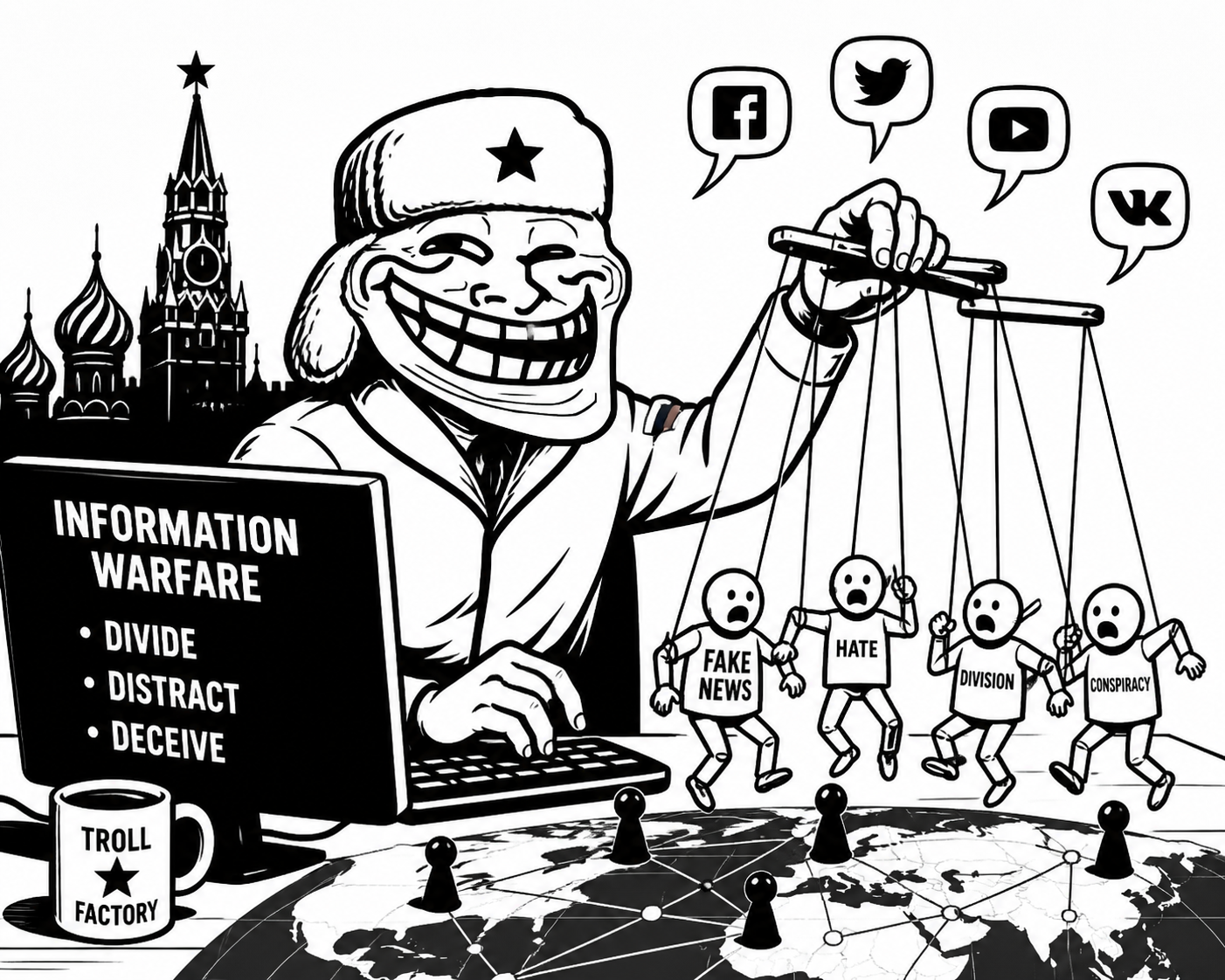
In the era of social media, the pace at which information spreads is faster than ever. Twitter (now X), Telegram, and Facebook are just a few examples of platforms used daily by millions of users to keep track of what is happening around the globe. While relying on fast and easily accessible sources of information […]
Shipping & choke points: geography as risk
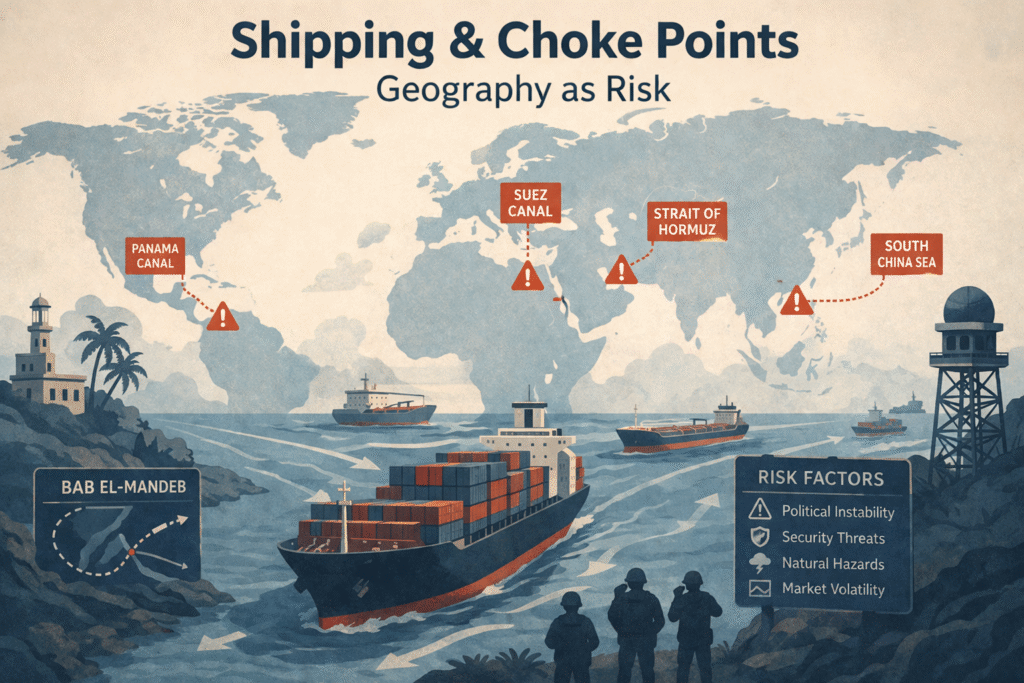
Globalization is often described as a world of seamless flows. Goods move, capital circulates, and supply chains stretch across continents. Yet global trade is far less fluid than it appears. In practice, much of it still depends on a small number of narrow maritime passages, where geography compresses movement into a few vulnerable corridors. There may […]
Strait of Hormuz: impact on financial markets
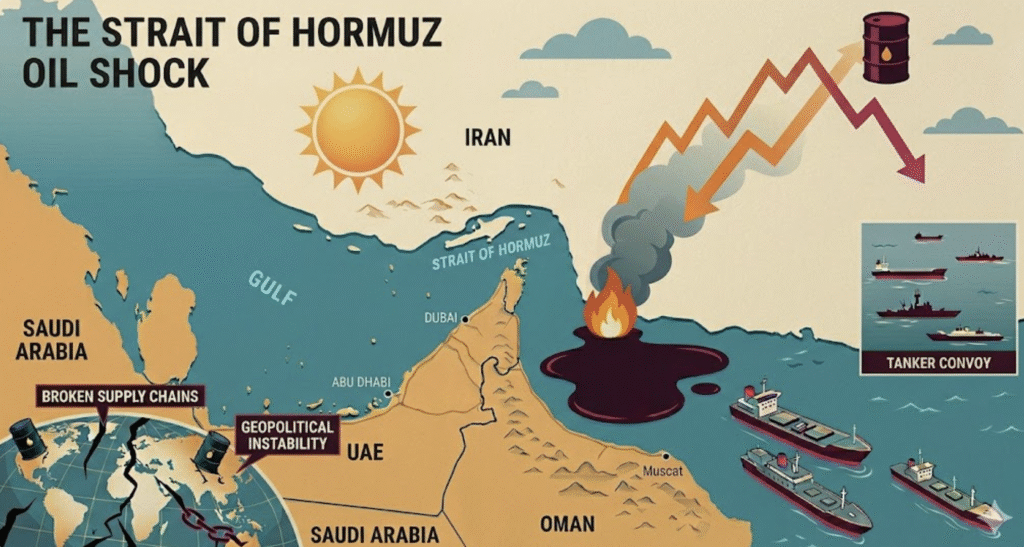
On February 28, 2026, coordinated airstrikes led by the US-Israel coalition targeted Iranian military targets. Immediately, Iran’s Islamic regime chose to destabilize international trade through a single maneuver: the closure of the Strait of Hormuz. This 55-kilometer-wide passage is one of the world’s most critical energy arteries, through which approximately 20% of seaborne oil and […]
Franco-German “sovereign AI” initiative: Europe’s bid for digital autonomy
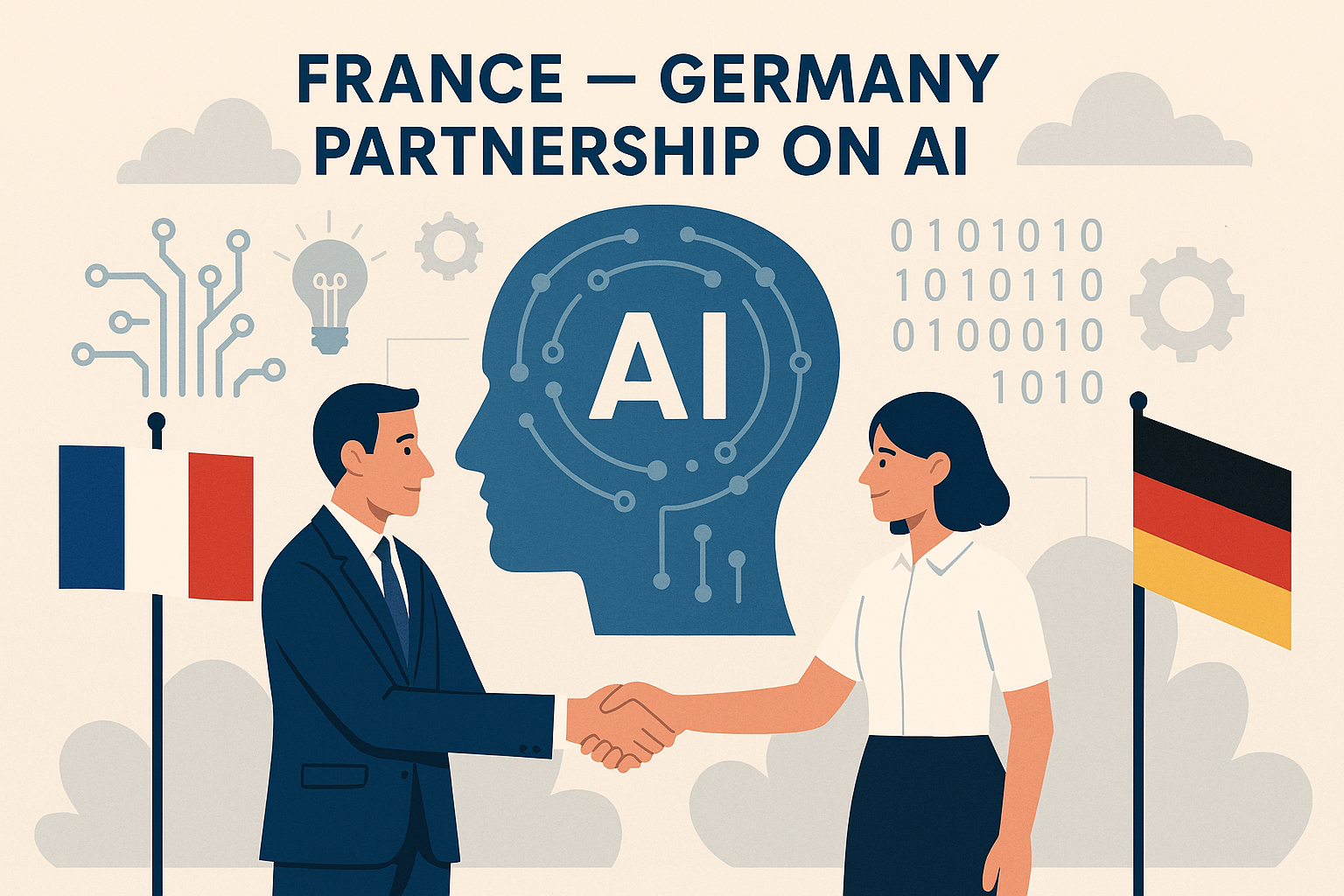
France and Germany have announced a new strategic partnership with Mistral AI and SAP SE to build what they frame as a sovereign AI infrastructure for public administration. As shown in the chart below, the US and China account for roughly two-thirds of newly funded AI start-ups worldwide. This joint initiative, revealed on 18 November, […]
India’s multi-alignment and the growing partnership with Italy
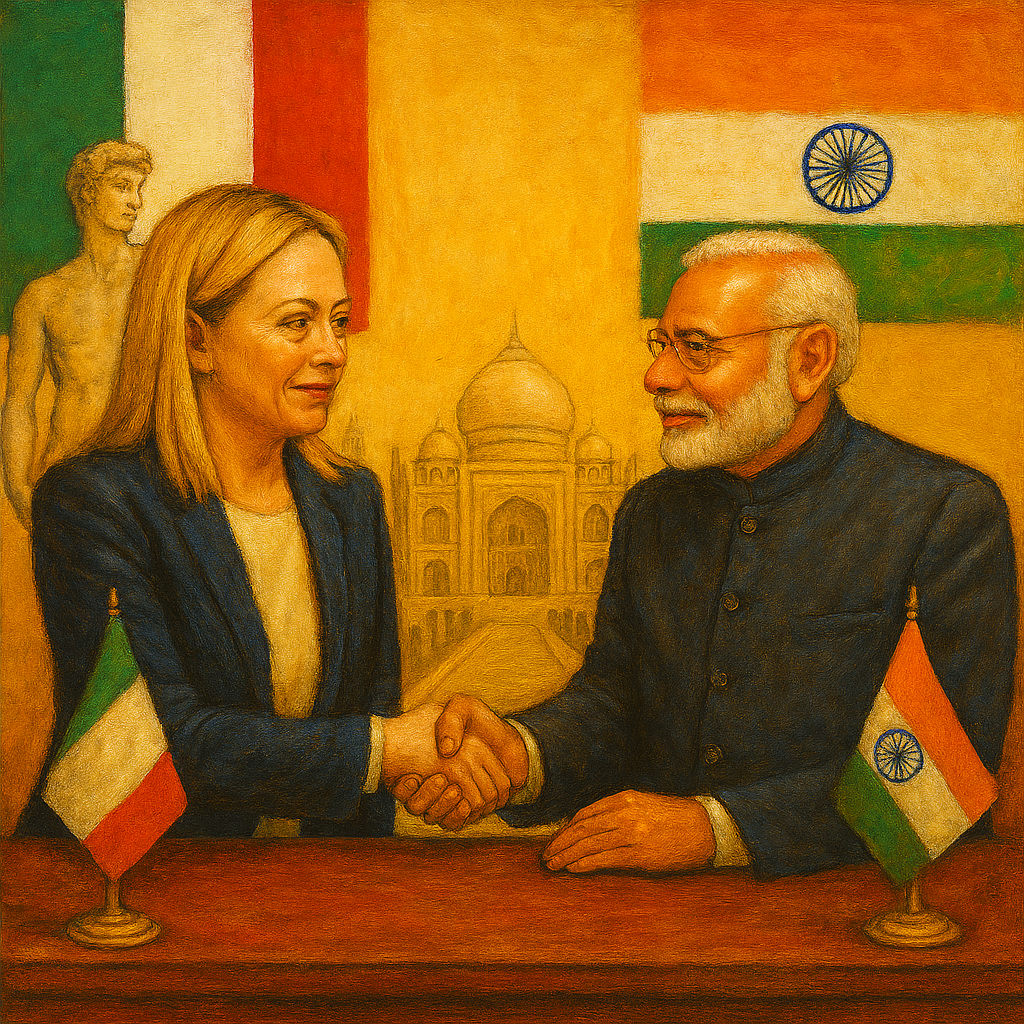
In the last article, we have commented on whether multilateralism can survive the current Age of Multipolarity. Now, we examine multi-alignment in Indian foreign policy. India’s global weight is rising. It is today the third-largest economy in the world, according to the IMF and the World Bank. The largest economies in the world, according to […]
Can multilateralism survive the current Age of Multipolarity?
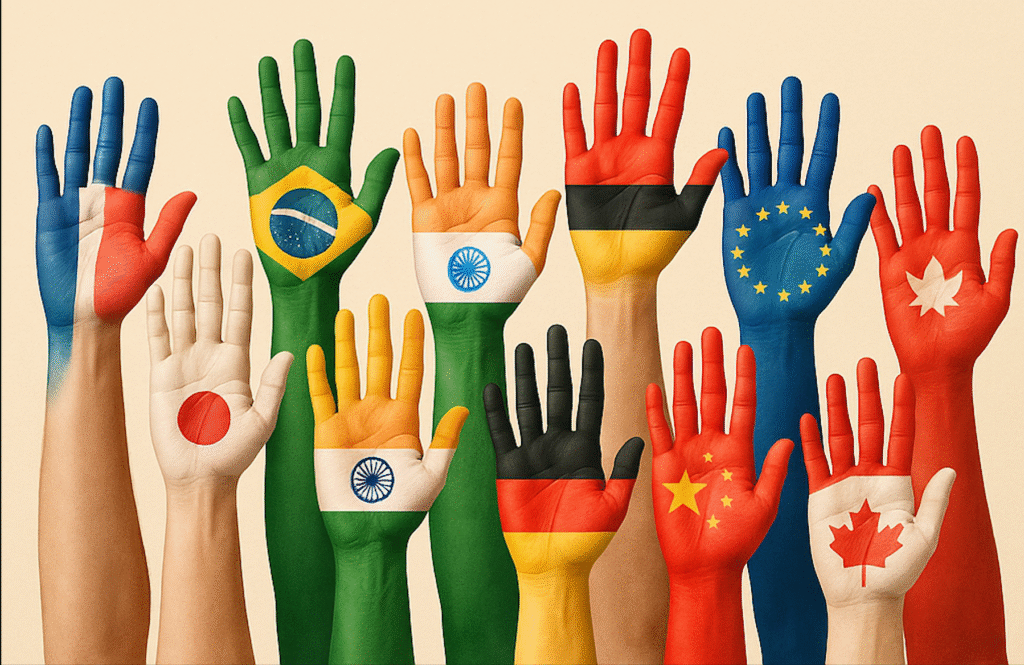
The return of power politics In a recent article for Il Sole 24 Ore, Professor Andrea Colli argues that the decline of multilateralism is not necessarily irreversible. He recalls that cooperation among states, based on shared rules and institutions, has always depended on leadership. A hegemon — capable of enforcing norms and guaranteeing stability — […]
Europe’s chip race: inside the Dutch Nexperia takeover
On September 30, the Dutch government invoked its rarely used Goods Availability Act to take control of Nexperia, a semiconductor company owned by China’s Wingtech Technology. Officials cited acute governance concerns and risks to Europe’s technological security. What is Nexperia? Nexperia is a leading Dutch semiconductor manufacturer based in Nijmegen, the Netherlands, producing essential chips […]
Geopolitical risk analysis in an uncertain world: the case of CogniTrends
Nowadays, it is difficult to think of a major company that does not operate outside of its home country. In developed economies, business internationalisation has become the norm. Goldman Sachs estimates that 28% of S&P 500 revenues come from foreign markets. For firms, globalisation offers clear advantages: larger markets, cheaper inputs, access to talent, and […]
Technology, Geopolitics, and Business: Professor Andrea Colli’s Insights

During the last Family Business Forum 2025, Professor Andrea Colli of Bocconi University delved into the multifaceted nature of contemporary globalization, emphasizing the intricate interplay between technology, geopolitics, and business. By doing so, he offered valuable perspectives for policymakers, business leaders, and scholars aiming to navigate the complexities of the modern global landscape. Technological Advancements and […]
The 2025 Papal Conclave: Geopolitics and Key Candidates for Pope Francis’ Succession

The death of Pope Francis on April 21, 2025, marked the beginning of a transition period within the Catholic Church. This transition will culminate with the Papal Conclave set to commence on the next May 7. The vacant papacy not only raises questions about the future of the Church but also carries significant global political […]